DealsRky Editorial
USB C Headphones with Cable: A Practical Buyer's Guide for iPhone and Android Users
Looking for straightforward USB-C earphones that work across your devices without the hassle of pairing or charging? This guide breaks down what matters when choosing wired USB-C headphones for everyday use.
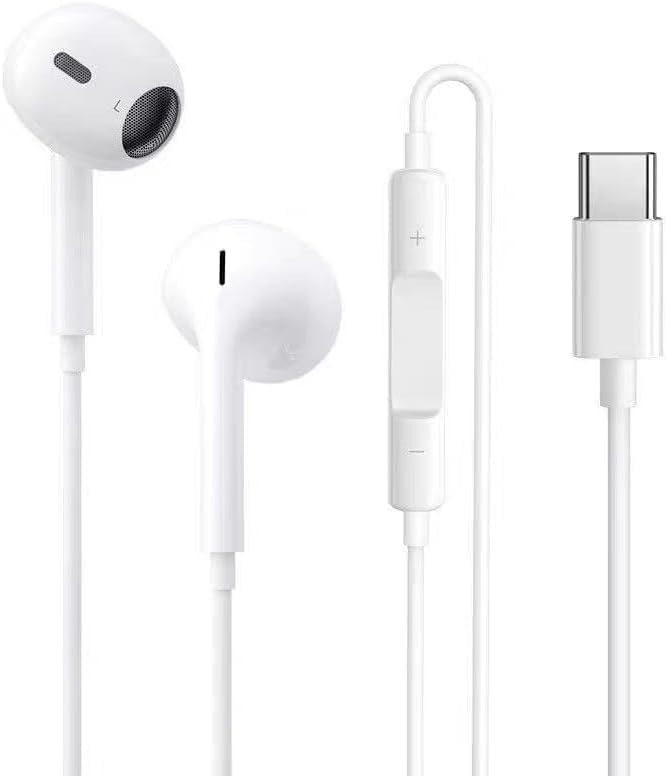
Wired earphones remain a practical choice for many people. No batteries to charge, no Bluetooth pairing to troubleshoot, and you can plug in and start listening immediately. USB-C headphones with a wired connection offer a clean solution for anyone who wants reliable audio without the complications that sometimes come with wireless options.
Who USB-C Wired Headphones Suit Best
These headphones make sense for several situations. If you work at a desk and prefer not to manage another device to charge, wired earphones remove that step entirely. Professionals on video calls benefit from the built-in microphone and inline controls without worrying about battery life during important meetings.
Students often find wired options convenient for study sessions where they need dependable audio and the ability to quickly pause or adjust volume without unlocking a device. The lack of latency makes them suitable for watching videos or following along with educational content where audio sync matters.
Anyone who has experienced the frustration of wireless earphones dropping connection or running out of power at an inconvenient moment may appreciate the straightforward reliability of a cabled connection. The USB-C connector also appeals to users who have moved away from Lightning cables and want consistency across their devices.
Key Features Worth Considering
Compatibility across devices matters most if you switch between multiple gadgets. The USB-C standard has become widespread across smartphones, tablets, and laptops from various manufacturers. Look for headphones that explicitly list the devices you own rather than assuming any USB-C port will work perfectly.
Sound quality in this category typically focuses on clear, balanced audio for spoken content, music, and video. The digital connection through USB-C can actually offer advantages over traditional 3.5mm jacks in some cases, as the digital-to-analog conversion happens within the headphone housing. This means you're relying on the headphone's internal components rather than the sometimes-variable quality of a phone's built-in audio chip.
Inline controls including a microphone, volume adjustment, and playback buttons add practical value. These allow you to take calls, adjust audio without reaching for your device, and control media without interrupting your activity. The placement and responsiveness of these controls can significantly impact daily usability.
Build quality at the connection point deserves attention. The USB-C connector experiences repeated plugging and unplugging, so durability matters. Quality materials around the connector and cable junction points help prevent the fraying and connection issues that plague cheaper alternatives.
Practical Buying Considerations
Before purchasing, verify that your specific device actually supports audio output through its USB-C port. While most recent phones and tablets do, some older devices or those with more limited USB-C implementations may not. Checking your device specifications or user manual prevents the frustration of receiving headphones that won't work with your setup.
Cable length affects how you can use your headphones. A longer cable offers more freedom of movement but can feel cumbersome for mobile use. Consider whether you'll primarily use these at a desk, during commute, or in various situations, and choose accordingly.
Ear tip options matter for comfort and noise isolation during extended listening. Multiple tip sizes allow you to find a secure fit that works for your ear shape. A proper seal not only improves sound quality but also prevents the headphones from falling out during normal movement.
The weight and balance of wired earphones influence comfort during longer sessions. Heavier models may cause ear fatigue, while lighter options disappear more easily during use. If you plan to wear them for hours at a time, comfort becomes a priority factor.
Storage becomes relevant for anyone who carries headphones regularly. A simple drawstring pouch or hard case protects the cable and ear tips from damage in a bag or pocket. Some models include these, while others require separate purchase.
Understanding the USB-C Advantage
The shift toward USB-C reflects broader changes in device design. Removing the 3.5mm headphone jack has become common among manufacturers, creating demand for alternatives. USB-C headphones fill this gap without requiring adapters or separate dongles that can be easy to lose.
Beyond audio, USB-C connections sometimes enable additional functionality. Volume controls and media buttons may integrate more deeply with device software, allowing features that wouldn't work through a standard analog connection. The digital connection also means consistent audio quality regardless of which device you connect to.
Matching Headphones to Your Routine
Consider how you'll actually use these headphones day to day. For workplace use, durability and microphone quality for calls matter most. For exercise or active use, secure fit and sweat resistance become priorities. For casual listening at home, comfort and sound quality may take precedence.
The best headphones for your situation depend on how these factors balance against each other. A model that excels in one scenario might not serve equally well in another, so think about your primary use case before making a decision.
Complementary Accessories
If you're building out a tech setup, certain accessories pair naturally with wired headphones. A phone tripod can help if you enjoy creating content or video calls that benefit from a stable camera angle. Cable management solutions keep your headphone cable organized during transport or storage.
For those who switch between multiple devices, a USB-C hub can simplify connections and reduce cable clutter on your desk. These accessories won't directly improve audio quality, but they enhance the overall experience of using wired audio equipment.
Making Your Final Decision
USB-C wired headphones offer a straightforward path to quality audio without wireless complications. The absence of batteries means one less thing to manage in your daily routine. The plug-and-play nature removes pairing steps and connection frustrations.
When evaluating options, focus on compatibility with your specific devices, the quality of inline controls, and the durability of the cable and connector. These factors determine how well the headphones will serve you over time rather than just at the moment of first use.
Remember to check current pricing, shipping options, and final details on the retailer site before purchasing. Availability and promotional offers change regularly, so confirming these details ensures you have accurate information for your buying decision.
Browse more smart picks
Continue exploring our curated deal pages and product breakdowns for more practical buying guidance.
More US buying guides
These articles are prioritized for shoppers browsing from the same marketplace region.