DealsRky Editorial
Solar Security Camera Outdoor: A Practical Buyer's Guide for US Shoppers
Thinking about adding a solar-powered outdoor security camera to your home setup? This guide breaks down what matters most when choosing between wire-free options, so you can make a confident decision without...
Introduction
Outdoor security cameras have become a practical staple for many households. They offer peace of mind, deter unwanted visitors, and give you a real-time view of what's happening around your property. Among the newer options gaining attention are solar-powered wireless models, which promise to cut down on wiring hassle while keeping your property monitored around the clock.
The solar security camera market has expanded considerably, with models now offering features like color night vision, AI-powered motion detection, and dual-band WiFi connectivity. These advances make it easier than ever to set up a capable monitoring system without professional installation. However, the variety of options can also make narrowing down the right choice feel overwhelming.
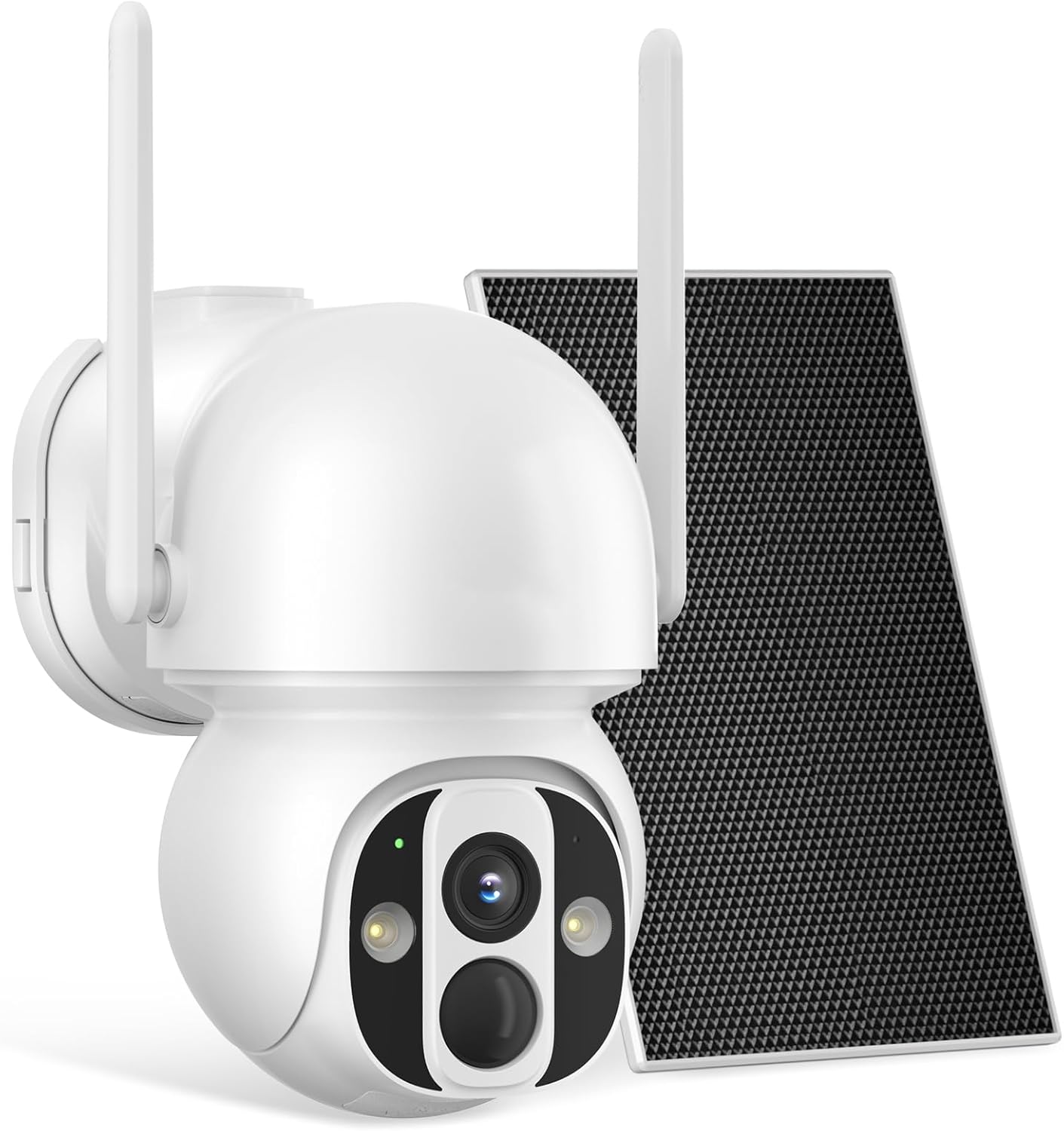
This guide focuses on practical considerations for anyone evaluating solar-powered outdoor cameras, using the Wireless WiFi Pro model as a reference point for what to look for. Whether you're securing a front porch, backyard, or driveway, understanding the key factors will help you choose a camera that genuinely fits your needs rather than one with flashy specs you'll rarely use.
Who This Fits
Solar outdoor security cameras appeal most to homeowners and renters who want reliable surveillance without dealing with the logistics of wiring or frequent battery changes. If you live in a property where running power cables would be difficult or aesthetically undesirable, the wire-free solar approach solves that problem directly.
These cameras work particularly well for monitoring areas that receive consistent sunlight. A backyard, garden shed, side gate, or detached garage are typical spots where solar power makes sense. The cameras also suit those who travel frequently or own rental properties, since remote monitoring through a mobile app becomes essential.
That said, solar cameras aren't ideal for every situation. If your target monitoring area sits mostly in shade or receives limited sunlight during winter months, you may need to supplement with extra charging or a different power source. Understanding your property's sun exposure is the first practical step before committing to any solar model.
What to Look For
Power Reliability
The core promise of a solar camera is uninterrupted operation without manual intervention. Look for models that pair solar panels with substantial internal batteries. A camera that dies after a few cloudy days isn't truly wire-free in practice. The better models include power management systems that balance solar input with usage demands, extending operation through periods of limited sunlight.
Connectivity Stability
WiFi cameras live or die by their network connection. Dual-band WiFi support (2.4GHz and 5GHz) gives you flexibility depending on your router setup and home layout. Some newer models marketed as "WiFi Pro" claim improved stability and lower latency, which matters if you're checking live feeds frequently or receiving motion alerts that need quick verification.
Signal strength at your camera's intended location matters more than raw WiFi specs. A camera with excellent connectivity features won't perform well if installed beyond your router's reliable range. Consider WiFi extenders or mesh systems if your property has dead zones.
Video Quality
Resolution matters for identifying details, but it's not the only factor. A 4MP camera offers good clarity for general monitoring, but factor in the lens quality, field of view, and low-light performance too. Color night vision has become increasingly common and genuinely useful compared to traditional black-and-white infrared, as it provides more contextual information about movement at night.
Detection Intelligence
Motion detection technology varies significantly between models. Basic PIR (passive infrared) sensors detect any heat movement, which can trigger alerts from pets, wildlife, or passing vehicles. AI-enhanced detection attempts to distinguish between people, vehicles, animals, and packages, reducing irrelevant notifications. The practical benefit is less time sifting through false alarms and more attention on events that actually matter.
Storage Options
Most cameras offer local storage via SD card alongside cloud subscription options. Local storage avoids ongoing fees and keeps footage within your control. However, cloud storage can be valuable if the camera is stolen or damaged, since footage remains accessible elsewhere. Understanding your storage preferences helps avoid surprise subscription costs later.
Practical Buying Considerations
Installation Environment
Before purchasing, assess where you plan to mount the camera. Consider sun exposure throughout the year, not just summer. Check WiFi signal strength at that spot using your phone. Verify the mounting surface can support the camera's weight and weather resistance requirements. IP66 weatherproofing has become standard for outdoor models, but positioning still affects longevity.
Field of View and Coverage
Pan-and-tilt (PT) functionality allows you to cover a wider area with a single camera by remotely adjusting the viewing angle. A 360-degree PT camera can replace two or three fixed cameras in some scenarios, reducing overall system cost. However, PT cameras typically use more power, which can strain solar systems during low-light periods. Balance the coverage convenience against power demands.
Two-Way Audio
Built-in microphones and speakers enable two-way conversation through the camera. This proves useful for greeting visitors, deterring trespassers, or checking in with family members. Audio quality varies considerably between models, so user reviews often reveal real-world performance that specs don't capture.
Smart Home Integration
Compatibility with Alexa, Google Assistant, or other platforms may matter if you're building a connected home ecosystem. Camera feeds appearing on smart displays or triggering routines adds convenience but shouldn't be the primary selection factor. Core performance and reliability should come first, with smart features as a bonus.
App Experience
The companion mobile app determines your day-to-day experience. Look for apps that load quickly, send timely notifications, and provide intuitive playback controls. Clunky software can undermine otherwise capable hardware. Checking recent app store reviews gives insight into current user experience better than older reviews or marketing materials.
Subscription Costs
Many cameras advertise cloud storage plans as optional add-ons, but some essential features may require paid subscriptions to unlock fully. AI detection, extended video history, and advanced notifications sometimes fall into this category. Understanding the full cost of ownership—including any required subscriptions—prevents buyer's remorse after purchase.
Related Picks
While evaluating outdoor security options, you might also consider complementary products that enhance your home monitoring setup:
For those expanding their smart home ecosystem, an HDMI ARC audio extractor can integrate camera alerts with existing entertainment systems, creating a more cohesive monitoring experience.
Homeowners concerned with overall property maintenance might find value in a ultrasonic retainer cleaner for keeping small items hygienic, though this serves a different purpose than security.
Those outfitting kitchens or storage areas may appreciate linen bowl covers for food protection, representing another category of practical everyday items.
For printer users, certain toner cartridges maintain office equipment efficiency, though again serving a separate need from home security.
These alternatives demonstrate the range of practical purchases available, each serving specific household needs.
Conclusion
A solar-powered outdoor security camera can simplify your home monitoring setup by eliminating wiring constraints while providing round-the-clock surveillance. The key is matching features to your actual usage patterns rather than getting drawn in by impressive specification sheets.
Focus on power reliability for your specific location, connectivity stability that matches your home network, and detection intelligence that reduces alert fatigue. Practical factors like app usability, storage costs, and installation requirements often matter more than headline numbers.
Before purchasing, verify the current price, shipping availability, and full product details on Amazon. Product listings and pricing change frequently, and confirming these details ensures you have the most accurate information for your buying decision.
Shop Smart: Check current pricing and availability on Amazon for this solar security camera.
The right camera ultimately depends on your property layout, monitoring priorities, and budget. By focusing on the practical considerations outlined here, you'll be better equipped to choose a model that delivers genuine value rather than one that looks impressive on paper but underperforms in daily use.
Featured product
Solar Security Camera Outdoor Wireless WiFi Pro, 4MP Color Night Vision, AI/PIR Motion Detection, 360 PT, 2-Way Audio, IP66, 2.4/5GHz, SD/Cloud Storage, Compatible with Alexa, Mobile App & HomeBase
This article was generated around our US catalog entry for this product, so you can compare the buying angle with the actual listing before deciding.
Browse more smart picks
Continue exploring our curated deal pages and product breakdowns for more practical buying guidance.
More US buying guides
These articles are prioritized for shoppers browsing from the same marketplace region.