DealsRky Editorial
Soccer Shin Guards Buying Guide: What to Look for in Everyday Protective Gear
Choosing the right shin guards involves more than just picking a size. This guide breaks down the key factors—material, fit, breathability, and comfort—so you can make a practical decision whether you're buying for a...
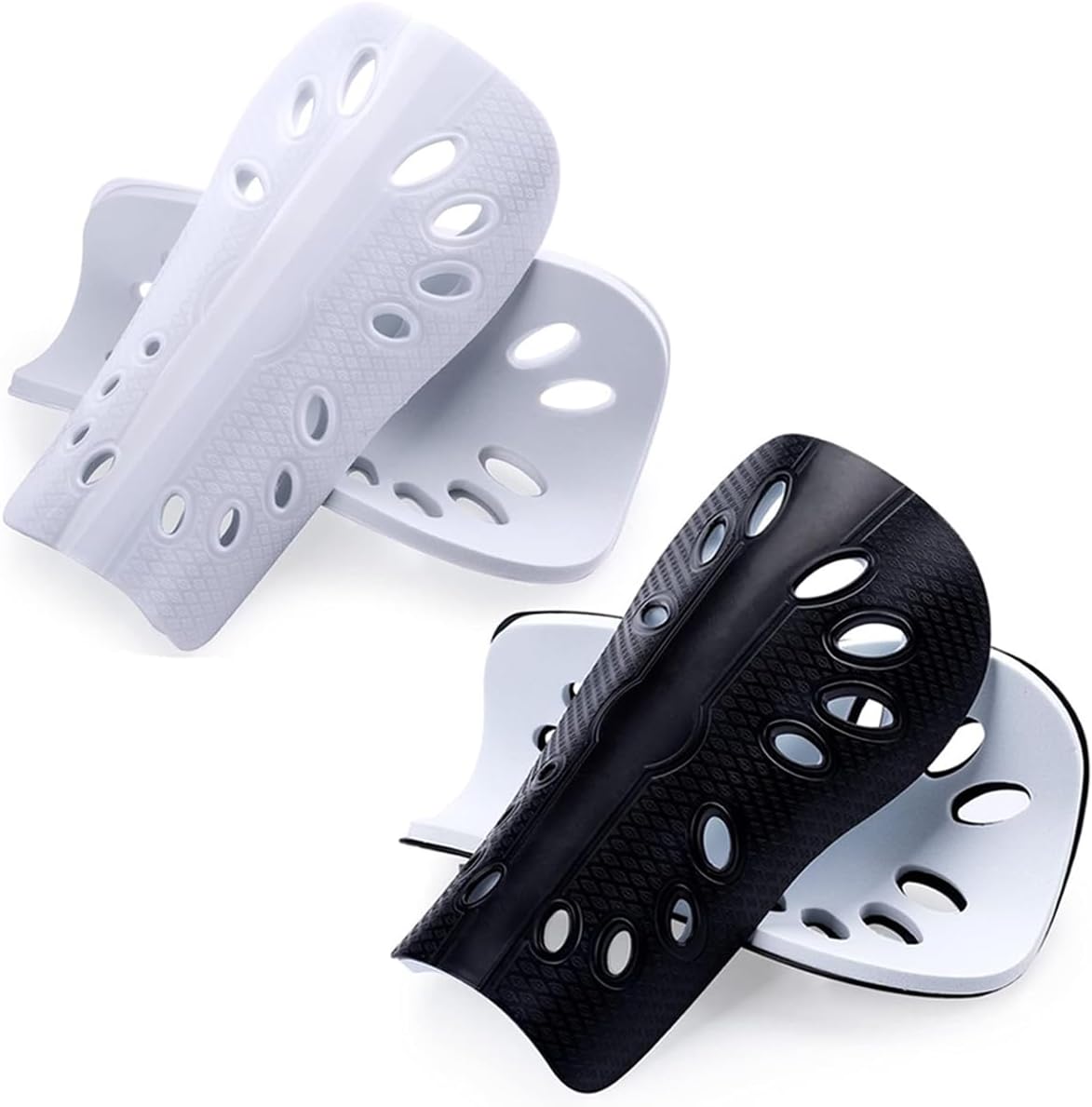
When you're on the field, the last thing you want is distraction from gear that shifts, pinches, or feels cumbersome. Shin guards are one of those pieces of equipment that should disappear during play, doing their job quietly while you focus on the game. Whether you're suiting up for a weekend league, a youth practice, or a pick-up match with friends, understanding what separates a solid pair of shin guards from a forgettable one helps you spend wisely and play comfortably.
Who This Guide Is For
This guide is written for everyday players and their families. If you're buying shin guards for a child just starting out, a teen competing in school leagues, or an adult who plays recreationally, the considerations are largely the same. You want protection that stays in place, feels comfortable across a full match, and holds up over repeated use. The focus here is on practical, real-world performance rather than tournament-grade gear that most regular players never need.
Key Factors to Consider When Choosing Shin Guards
Material and Impact Protection
The core job of any shin guard is to absorb and disperse impact from kicks and collisions. Most guards use a hard outer shell—commonly polypropylene (PP)—with some form of cushioning backing. The PP shell resists direct hits, while the inner layer (often EVA foam or a similar cushioning material) softens the blow and reduces the force transmitted to your leg.
Look for guards where the inner cushioning is thick enough to make a real difference but not so thick that it adds unnecessary bulk. A well-balanced combination keeps the guard light while still doing its protective job. Some designs include perforations or patterned cushioning to reduce weight without sacrificing coverage.
Fit and Sizing
Shin guards that are too small leave exposed areas, while ones that are too large can slide down your leg and become a distraction. Most manufacturers offer size ranges tied to height—youth, teen, and adult—and some provide approximate length measurements in inches or centimeters.
When evaluating fit, consider how the guard sits on your shin. It should cover the area from just below the knee to above the ankle, following the natural contour of your leg. Guards with a slightly curved or anatomical shape tend to hug the shin better than flat, one-size-fits-all designs. If you're buying for a growing child, lean toward the correct size for their current measurements rather than sizing up with the expectation they'll grow into it—that can leave them under-protected in the meantime.
Securing Mechanism: Straps, Sleeves, and Socks
How a shin guard stays in place matters a great deal during active movement. Some guards rely on integrated sleeves or socks that pull over the guard and leg together. Others use Velcro straps, elastic bands, or built-in stirrups that hook under your foot to anchor the guard in place.
Integrated sleeve designs can be convenient because they combine two steps into one. However, the material of the sleeve matters—if it's too tight, it can restrict circulation; if it's too loose, the guard may still shift. Strap-based systems offer more adjustable security but require a bit more time to put on and take off. Think about how you'll use them: if you're getting ready quickly before practice, a sleeve-style guard may save a step. If you prefer more control over how tight things feel, a strap system might suit you better.
Breathability and Moisture Management
Shin guards sit directly against your skin and are often worn for the full duration of a match or training session. That means heat and sweat buildup are genuine concerns, especially during warmer months or in indoor settings.
Guards with ventilation holes, mesh panels, or perforated foam designs allow air to circulate and help reduce the clammy feeling that can develop over an hour or more of play. Breathability doesn't just affect comfort—it can also help reduce skin irritation that sometimes occurs when sweat gets trapped between the guard and your leg.
Weight
Extra weight on your lower legs adds fatigue over the course of a game. Modern shin guards have trended lighter, with many models in the youth and adult categories weighing just a few ounces each. Ultra-light designs are particularly appealing for players who value speed and agility. That said, lighter guards still need to maintain adequate protection, so balance weight savings against the quality of the protective materials used.
Practical Buying Considerations
Pair count and value. Some kits come with two pairs, which can be useful if you want a backup at home or one for each gear bag. A two-pair option also simplifies things if you're buying for siblings who share a practice schedule.
Durability over multiple seasons. Check whether the outer shell is rigid enough to resist cracking or deforming after repeated impacts. Quality guards should maintain their shape and protective function even after months of regular use. Inspect the edges and seams—if they feel rough or flimsy out of the package, they may wear down faster on the field.
Ease of cleaning. Sweat and dirt work their way into gear over time. Guards with smooth, wipeable shells and removable sleeves or pads are easier to maintain than fully enclosed designs. A quick rinse or wipe-down after each use extends the life of the equipment.
Compatibility with soccer socks. Most leagues require players to wear soccer socks that cover the shin guard entirely. Make sure the guard-sleeve combination you choose fits comfortably under standard-length soccer socks without bunching or creating pressure points at the top of the sock line.
Price per use. For everyday play, mid-range options often deliver the best balance of protection, comfort, and durability. The cheapest options may save money upfront but can wear out or lose shape quickly. Premium models typically add features—lighter weight, advanced cushioning systems, or specialized fit—that matter more for competitive players than for regular recreational use.
Related Products to Consider
If you're building out your soccer kit, a few complementary items may be worth a look:
- A soccer ball appropriate for your age group keeps your gear complete and ready for practice sessions.
- A quality gear bag with separate compartments helps organize shin guards, cleats, and other equipment so everything is easy to find before a game.
- Compression sleeves worn under shin guards can add a layer of moisture management and help keep guards in place during extended play.
Making Your Final Decision
Start with your or your player's actual measurements rather than guessing based on age alone. Check the size chart for the specific product and compare it against your shin length from knee to ankle. Once you have the right size, weigh the other factors—breathability, weight, and how the guards stay secured—against what's most important for the way you play.
If you're buying for a young player who is still growing, prioritize fit and comfort over advanced features. A guard that feels good and stays in place will get used more consistently than one that's technically superior but uncomfortable to wear. For teens and adults, a bit more emphasis on weight and breathability can make a noticeable difference across a full season of play.
Before purchasing, take a moment to verify the current price, shipping options, and any details specific to your order on the retailer's site. Availability and promotions can change, so confirming the latest information helps you avoid surprises and ensures the product reaches you in time for your next session on the field.
Featured product
Soccer Shin Guards, 2 Pairs Soccer Shin Sleeves Superlight and Breathable Shin Guard Equipment for Boys and Girls, Protective Football Gear Shin Pads for Youth Teens Adults
This article was generated around our US catalog entry for this product, so you can compare the buying angle with the actual listing before deciding.
Browse more smart picks
Continue exploring our curated deal pages and product breakdowns for more practical buying guidance.
More US buying guides
These articles are prioritized for shoppers browsing from the same marketplace region.