DealsRky Editorial
LED Light Therapy Face Mask UK: A Practical Buyer's Guide
Wondering if an LED face mask is worth it? This guide walks through what to consider before buying, who benefits most, and how to choose the right mask for regular at-home use.
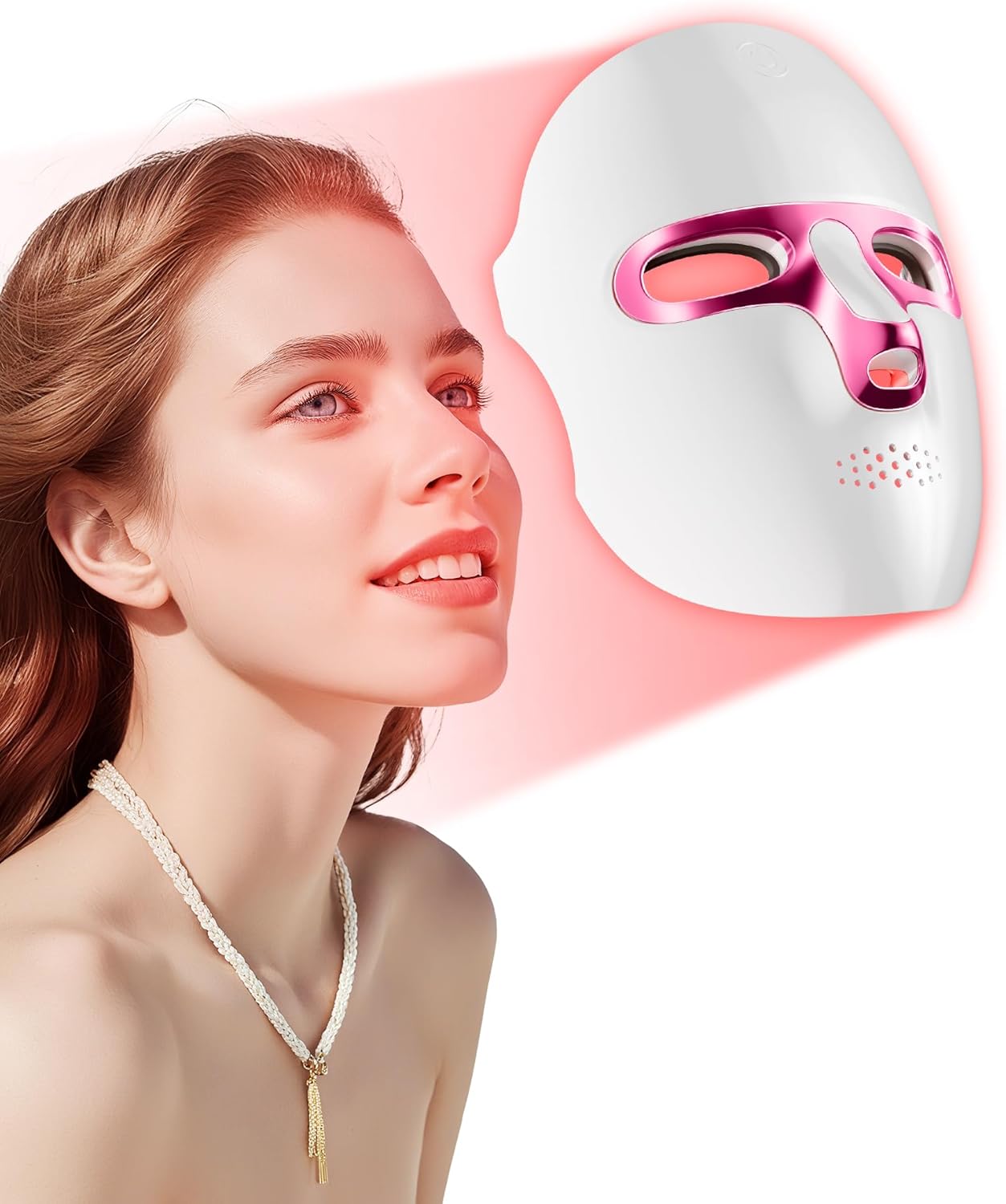
Why LED Light Therapy Masks Are Worth Considering
At-home LED face masks have become increasingly popular in the UK as people look for straightforward skincare routines that fit around everyday life. Rather than booking clinic appointments, many are turning to devices they can use in their own bathroom on a schedule that suits them. The appeal is clear: consistent, hands-free treatment without the hassle of leaving the house.
This guide focuses on what to look for when evaluating an LED light therapy mask, practical factors to weigh before buying, and who tends to benefit most from regular at-home use.
Who Benefits Most from LED Face Masks
LED face masks work best for people who want to support their existing skincare routine without adding complexity. If you already have a cleanse-moisturise routine and are looking for something that works alongside it, a mask like this can slot in without disruption.
They're particularly well-suited to:
- Consistent skincare users – People who already commit to daily or near-daily routines and want an additional tool that doesn't require much effort
- Those with skin concerns tied to lifestyle – If uneven skin tone, dullness, or visible signs of fatigue are a frustration, light therapy may offer supportive benefits when used regularly
- Time-conscious households – Anyone who wants visible results without spending time travelling to appointments or waiting in clinics
- People who prefer gradual routines over intensive treatments – LED masks tend to work through consistent, shorter sessions rather than occasional intensive procedures
If you have specific dermatological conditions, it's worth speaking with a qualified professional before starting any new light therapy device.
What to Look for When Buying an LED Face Mask
Fit and Comfort
A mask that sits awkwardly will end up in a drawer. Look for options that use flexible, body-safe materials that adapt to different face shapes. High-quality silicone tends to be softer against the skin than harder plastics, and it tends to grip better without slipping during use.
Strap Design
Adjustable straps make a noticeable difference. They allow you to secure the mask without it being too tight or too loose, which matters when you're aiming to keep it in place for the duration of a session. A secure fit also ensures the light reaches all intended areas evenly.
Portability
For people who travel or simply want the option to use the mask in different rooms, a lightweight, portable design is useful. A mask that weighs very little and doesn't require a bulky controller makes it more likely to become part of a regular routine rather than an occasional novelty.
Hands-Free Operation
One of the main advantages of these masks is that they free up your hands. Once the mask is on, you can continue with other tasks – reading, listening to a podcast, or simply resting. This makes shorter, regular sessions more practical than devices that require you to hold them in place.
Light Modes and Coverage
Different wavelengths of light serve different purposes. Many masks offer multiple modes targeting various skin concerns. A device that lets you switch between modes gives you more flexibility as your skin's needs change over time.
Practical Considerations Before Buying
Session length and frequency: Most LED face masks are designed for sessions of 10 to 20 minutes. Think about whether that fits into your routine. Some people prefer to use theirs in the morning while making breakfast; others set aside time in the evening. There's no single right approach – what matters is finding what works for you.
Maintenance and cleaning: Masks that contact the face will need regular cleaning. Silicone-based masks are generally straightforward to wipe down. Check the manufacturer's guidance on how to keep the surface clean and hygienic over time.
Power source and controller: Some masks are wired to a control unit, while others have built-in batteries. Wired setups can limit mobility during use, whereas battery-powered masks offer more freedom. Consider your own setup and whether a cable would be inconvenient.
Skin compatibility: While LED light therapy is generally considered safe for most skin types, individuals with particular sensitivities or conditions should check whether the mask is suitable. Reading the product specifications carefully helps avoid any surprises.
Build quality and durability: A mask is an investment. Checking the materials and construction gives you a better sense of how long it might last with regular use. Well-made silicone and solid internal components tend to offer better long-term value.
Checking Current Prices and Availability
Before committing to a purchase, it's worth taking a moment to verify the current price and shipping options on the product page. Prices and availability can change, and checking the most up-to-date information ensures you're making a decision based on accurate details. Many masks on the UK market offer prime delivery for Prime members, but it's worth confirming before ordering.
Other Items That May Interest You
If you're building out a self-care or wellness setup, you might find these related products useful:
- A replacement silicone cushion for CPAP masks – useful if you use respiratory therapy devices and want to maintain comfort over time
- Kids ski goggles with UV400 protection – a practical option for families looking for durable, protective eyewear for outdoor activities
- Sleep gummies with magnesium glycinate – formulated to support relaxation without melatonin, suitable for those who prefer non-hormonal options
- Privacy screen filters – helpful if you work in public spaces and want to reduce the risk of visual data exposure on your devices
Making the Most of Your LED Mask
Once you have a mask that fits well and suits your routine, the key to results is consistency. Short, regular sessions tend to be more effective than occasional longer ones. Over time, many users find that their skin looks more even and feels smoother, though individual experiences vary depending on skin type, age, and the specific concerns being addressed.
Using the mask on clean, dry skin generally yields better results than using it over makeup or heavy skincare products. After a session, continuing with your regular moisturiser or serum helps lock in any benefits from the treatment.
Patience matters here. Skincare routines rarely show dramatic overnight changes. Committing to the process and tracking how your skin responds over weeks and months tends to give a clearer picture of whether the mask is working for you.
Take time to verify the current price and delivery details before buying, and remember that the most effective skincare tool is the one you'll actually use consistently.
Browse more smart picks
Continue exploring our curated deal pages and product breakdowns for more practical buying guidance.
More US buying guides
These articles are prioritized for shoppers browsing from the same marketplace region.