DealsRky Editorial
Kids Ski Goggles for Ages 3–12: A Practical Buyer's Guide
Finding the right goggles for young skiers means balancing visibility, comfort, and durability. This guide walks through what to look for when choosing ski goggles for children aged 3 to 12, with a close look at...
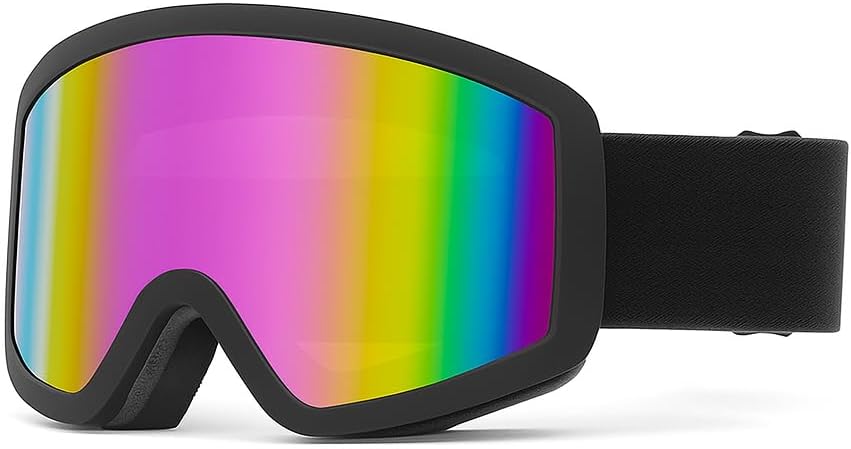
When children are learning to ski or snowboard, clear vision matters more than most parents realise. Snow conditions change quickly, bright sunlight can create painful glare on the slopes, and foggy lenses can leave a child effectively blind on the mountain. A pair of well-fitted ski goggles removes these variables and lets young skiers focus on building confidence rather than fighting their equipment.
The market offers plenty of options for children's ski goggles, and the choices can feel overwhelming if you are not sure what separates a practical pair from a problematic one. This guide breaks down the key features to evaluate, what questions to ask before buying, and how to match a goggle to your child's specific needs.
Who These Goggles Suit Best
These particular goggles are designed with children aged 3 to 12 in mind, which covers a wide developmental range. For the youngest end of that spectrum, the lightweight construction and soft foam padding make a real difference. Toddlers and early primary-age children have more sensitive facial structure, and equipment that presses too firmly or feels heavy can put them off skiing altogether.
Older children in the 8 to 12 range benefit from the same design choices but for different reasons. At that age, they are often ready for longer runs and more varied terrain, where consistent optical clarity and reliable UV protection become genuinely important rather than just nice-to-have features.
The OTG (Over-The-Glass) capability is worth noting for families where a child already wears prescription spectacles. Many children's goggles are not designed with this in mind, which forces parents to choose between buying prescription insert systems or accepting that their child skis without full vision correction. A goggle that fits comfortably over glasses expands what's available to those families.
Key Features Worth Understanding
Dual-Lens Anti-Fog Design
A double-layer lens system creates an insulating gap between the inner and outer lenses. When warm air from your child's face meets the cold external temperature, that gap slows down the condensation process that causes fogging. No goggle is completely fog-proof in extreme conditions, but dual-lens designs perform meaningfully better than single-lens alternatives. If your child wears a balaclava or neck warmer, that extra moisture and warmth makes anti-fog performance more valuable, not less.
UV400 Protection
UV exposure on the slopes is higher than many people expect. Snow reflects up to 80% of UV radiation, effectively doubling the exposure compared to level ground. UV400 rating means the lenses block nearly all ultraviolet radiation in the 280 to 400 nanometre range. For children whose eyes are still developing, this protection is genuinely important, not just a marketing claim.
Mirror Lens
Mirror coatings reduce glare and improve visual comfort in bright conditions. They can also add a cosmetic appeal that helps children feel more confident in their gear, which is not nothing when you are trying to keep a six-year-old motivated on a cold morning. Be aware that mirror lenses perform differently in flat light conditions, so they are best suited for clear or variable days rather than heavily overcast ones.
Helmet Compatibility
Not all goggles fit all helmets. The strap width and the shape of the frame where it meets the helmet determine whether a pair sits flush or creates a gap. Gaps are problematic because cold air gets in, and cold air on exposed skin is miserable for children. If your child uses a ski helmet (and they should), checking helmet compatibility before buying is essential rather than optional.
Flexible TPU Frame
Thermoplastic polyurethane frames offer a useful balance of flexibility and durability. They absorb impact better than harder plastics, which matters when children inevitably drop or sit on their gear. The flexibility also means the frame conforms to different face shapes more easily, which improves comfort across the age range this product covers.
Practical Buying Considerations
Sizing and Fit
Goggles that are too large provide less protection and let in drafts. Goggles that are too small press on the face and cause discomfort or leave red marks. For children in the 3 to 5 range, look for goggles specifically marketed for toddlers or with explicit size guidance for that age bracket. Sizing guides on Amazon listings can be helpful but are not always accurate, so checking the frame width in millimetres and comparing it to your child's face measurements is worth the extra step.
Strap Adjustment and Ease of Use
Children need to be able to adjust their own goggles with gloves on. Look for simple buckle systems and intuitive strap slides. Complicated adjustment mechanisms that require fine motor skills are frustrating for children and lead to goggles that are never quite fitted properly. If a child cannot put their goggles on independently, they are less likely to manage them well throughout a day on the slopes.
Cleaning and Maintenance
Anti-fog coatings degrade over time, especially if wiped with rough fabrics or harsh chemicals. Teaching children to use the provided microfibre cloth and to avoid touching the inside of the lens extends the functional lifespan of the goggles. Proper storage in a soft pouch also helps.
Replacement Availability
Accidents happen. Lenses get scratched, straps get broken, foam padding gets compressed over seasons of heavy use. Before buying, check whether replacement parts are available separately. Some brands offer spare lenses, straps, and foam inserts, which can extend the useful life of the purchase significantly, especially for children who grow quickly and might only need replacement frames rather than a completely new pair.
Price and Value
For children's equipment that they will grow out of, the cost per season is often more relevant than the upfront price. A pair of goggles that lasts three seasons at £40 is better value than a pair that needs replacing after one season at £20. That said, expensive adult-level goggles are not necessary for children who are still developing their skills and might not treat their gear with adult levels of care.
Related Considerations
If your child wears prescription glasses, the OTG capability mentioned in this product's design is worth prioritising in your evaluation. Getting a proper fit over spectacles requires checking the internal dimensions, not just whether glasses technically fit under the frame. Some OTG designs work better than others, and the geometry matters more than the marketing claim alone.
Helmet compatibility is worth verifying directly against the specific helmet your child uses. Even helmets from the same brand can vary in frame curvature, and some older helmets may not work well with more recent goggle designs. If possible, try both together before committing to a purchase.
Checking Current Details
Before purchasing, verify the current price on Amazon, including any delivery charges that may apply to your location in the UK. Prices fluctuate, particularly during peak ski season or around major sales events. Shipping times can also vary, so if you are buying ahead of a trip, build in enough lead time for standard delivery or consider expedited options if available.
Take a moment to read the full product listing, including the Q&A section and any recent updates from the seller. This helps confirm the product is still actively stocked and reduces the chance of surprises after ordering.
Summary
Kids ski goggles for ages 3 to 12 need to handle a specific set of demands: growing faces, developing motor skills, variable weather conditions, and the general rough treatment that children's equipment endures. The features covered in this guide—dual-lens anti-fog design, UV400 protection, helmet compatibility, flexible frames, and comfortable foam padding—address those demands in ways that genuinely matter for everyday use on the slopes.
If you are looking for a practical option that covers these bases without requiring technical expertise to set up or maintain, the current offering appears to be worth evaluating against your child's specific needs. As with any equipment purchase, matching the features to how you actually plan to use them will serve you better than chasing the most comprehensive specification on paper.
Browse more smart picks
Continue exploring our curated deal pages and product breakdowns for more practical buying guidance.
More US buying guides
These articles are prioritized for shoppers browsing from the same marketplace region.