DealsRky Editorial
Anti-Spy Hidden Camera Detector: A Practical Buyer's Guide for Personal Privacy Protection
Wondering whether an anti-spy hidden camera detector is worth adding to your travel or home security routine? This guide breaks down what to look for, who benefits most, and how to approach the purchase practically.
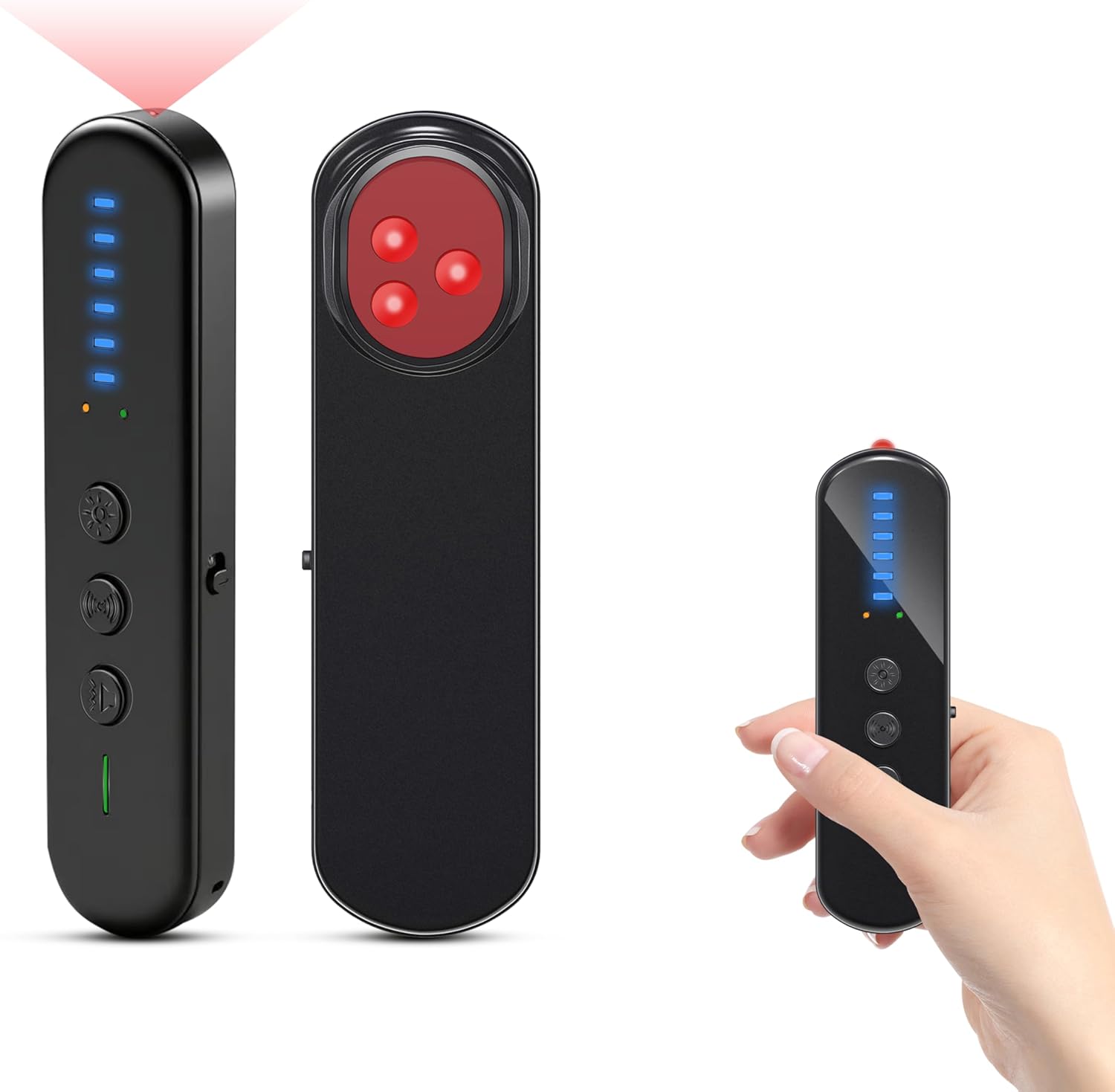
The thought of being watched without your knowledge is unsettling. Whether you're traveling and staying in hotels, renting an Airbnb, or simply want to ensure privacy in your own home, hidden cameras and listening devices have become increasingly accessible. An anti-spy hidden camera detector can be a practical tool for those who want to sweep their surroundings for potential surveillance threats.
This guide walks through what to consider when evaluating these devices, how to think about the features that matter most, and whether this category of product fits your needs.
Who This Fits
Anti-spy hidden camera detectors appeal to a few distinct groups of people. Frequent travelers who stay in hotels, hostels, or vacation rentals often want a quick way to check their temporary living space for unfamiliar devices. Business travelers meeting in conference rooms may want assurance that private conversations remain private. Some renters and homeowners also use these tools as part of a broader personal security routine.
That said, these detectors work best when matched to realistic expectations. They are not military-grade solutions, but rather personal-screening tools that can help you identify common types of surveillance equipment. If you're looking for absolute guarantees, you may need professional sweeping services. For everyday peace of mind during travel or in shared living situations, a portable detector fills a practical niche.
What to Look For
When evaluating an anti-spy detector, several core capabilities deserve attention. Understanding these can help you separate marketing claims from genuine utility.
Detection Methods
Most portable detectors work by scanning for radio frequency (RF) signals or by using optical sensors to identify camera lenses. RF detection helps identify wireless transmitters, including listening devices and Wi-Fi cameras. Optical detection uses infrared or LED-based scanning to spot camera lenses that reflect light differently than surrounding surfaces.
Some devices combine both methods, offering more thorough coverage. If you want to check for both wired and wireless devices, a dual-sensor approach tends to be more practical than relying on a single detection mode.
Range and Sensitivity
Detection range matters when sweeping larger rooms. A detector with limited range may require you to hold it very close to walls, furniture, and fixtures, which can be time-consuming. Devices that offer adjustable sensitivity let you narrow down potential threats more precisely. Higher sensitivity can flag weak signals, but may also produce false positives near legitimate electronics like routers or smart TVs.
Portability
Since these devices are often used while traveling, size and weight factor into practicality. A compact unit that fits in a pocket or small bag gets used more often than one that stays home because it is too bulky to carry. Look for something lightweight with a built-in battery that doesn't require constantly hunting for replacement cells.
Alert Mechanisms
How a detector communicates findings varies across models. Some use LED indicators that flash or change color. Others include vibration modes useful in quiet environments. Audible alerts can be helpful but may not be appropriate in all settings. Multiple alert types give you flexibility depending on where you are using the device.
Battery Life
A detector with a dead battery provides no protection. Check the battery capacity and estimated runtime. Rechargeable units with USB-C charging tend to be more convenient than those requiring disposable batteries, especially for frequent travelers.
Practical Buying Considerations
Before purchasing, think through how you actually plan to use the device. This shifts the decision from comparing spec sheets to finding something that fits your routine.
Realistic Threat Assessment
Hidden camera concerns often arise from news stories or viral social media posts about Airbnb hidden cameras. While these incidents do occur, they remain relatively rare. Consider whether your concern stems from a specific situation—such as staying in an unfamiliar place—or a general desire for privacy assurance. Your answer influences whether a detector is a sensible precaution or an unnecessary purchase.
Ease of Use
Some detectors come with detailed instructions and multiple modes requiring a learning curve. Others operate with a simple single-button interface. If you want something you can use quickly without consulting a manual, prioritize straightforward operation. A device that requires calibration or setup time may end up unused when you need it most.
Detection Limitations
No personal detector catches everything. Hardwired cameras that do not emit RF signals may escape RF detection. Cameras with no lens reflection may evade optical scanning. Knowing these limitations helps you use the device appropriately—as a first-pass screening tool rather than a comprehensive guarantee.
Legal Considerations
Using a detector in your own home or hotel room is legal in most jurisdictions. However, if you discover a hidden device, the appropriate response is to contact local authorities rather than confront anyone directly. Also, be aware that sweeping for devices in certain commercial or shared spaces may have different legal implications depending on local laws.
Related Picks
If you are building out a personal security or privacy toolkit, a few complementary products may prove useful alongside a hidden camera detector.
For travelers who carry electronic devices, a portable power bank ensures your phone stays charged in emergencies. The HDMI ARC Audio Extractor Adapter offers practical utility for those connecting devices while traveling, though it serves a different purpose than privacy protection.
Those interested in personal items care might consider an ultrasonic retainer cleaner for maintaining dental appliances or small personal items, though this falls outside the surveillance detection category entirely.
For home and travel essentials, browsing the full range of practical everyday items at DealsRky can help you find products that match your routine without overcomplicating your purchasing decisions.
Conclusion
An anti-spy hidden camera detector can serve as a practical addition to your travel or home security routine if you approach it with realistic expectations. The value lies in providing peace of mind during hotel stays, vacation rentals, or situations where you temporarily share space with others.
Focus on detection methods that cover both RF signals and optical scanning. Prioritize portability and ease of use so the device actually comes with you when you travel. Remember that these tools offer a first line of screening rather than absolute assurance.
If you decide this category fits your needs, take a moment to verify current pricing, shipping options, and full product details on Amazon before purchasing. DealsRky aggregates these listings to help you find practical everyday value without unnecessary complexity.
Note: Always verify current price, shipping availability, and complete product details on Amazon before making a purchase decision.
Featured product
Anti-Spy Hidden Camera Detector with 99% Accuracy,Find GPS Trackers &Listening Devices Portable Privacy Protector for Hotel/Travel,Anti-Surveillance RF Bugs Detector with LED (Black)
This article was generated around our US catalog entry for this product, so you can compare the buying angle with the actual listing before deciding.
Browse more smart picks
Continue exploring our curated deal pages and product breakdowns for more practical buying guidance.
More US buying guides
These articles are prioritized for shoppers browsing from the same marketplace region.