DealsRky Editorial
Airplane Foot Hammock for Travel: A Practical Buyer's Guide for Better In-Flight Comfort
Finding comfort on long flights often comes down to clever add-ons. This guide walks through what to consider when choosing an airplane foot hammock, who benefits most from one, and how to determine if it fits your...
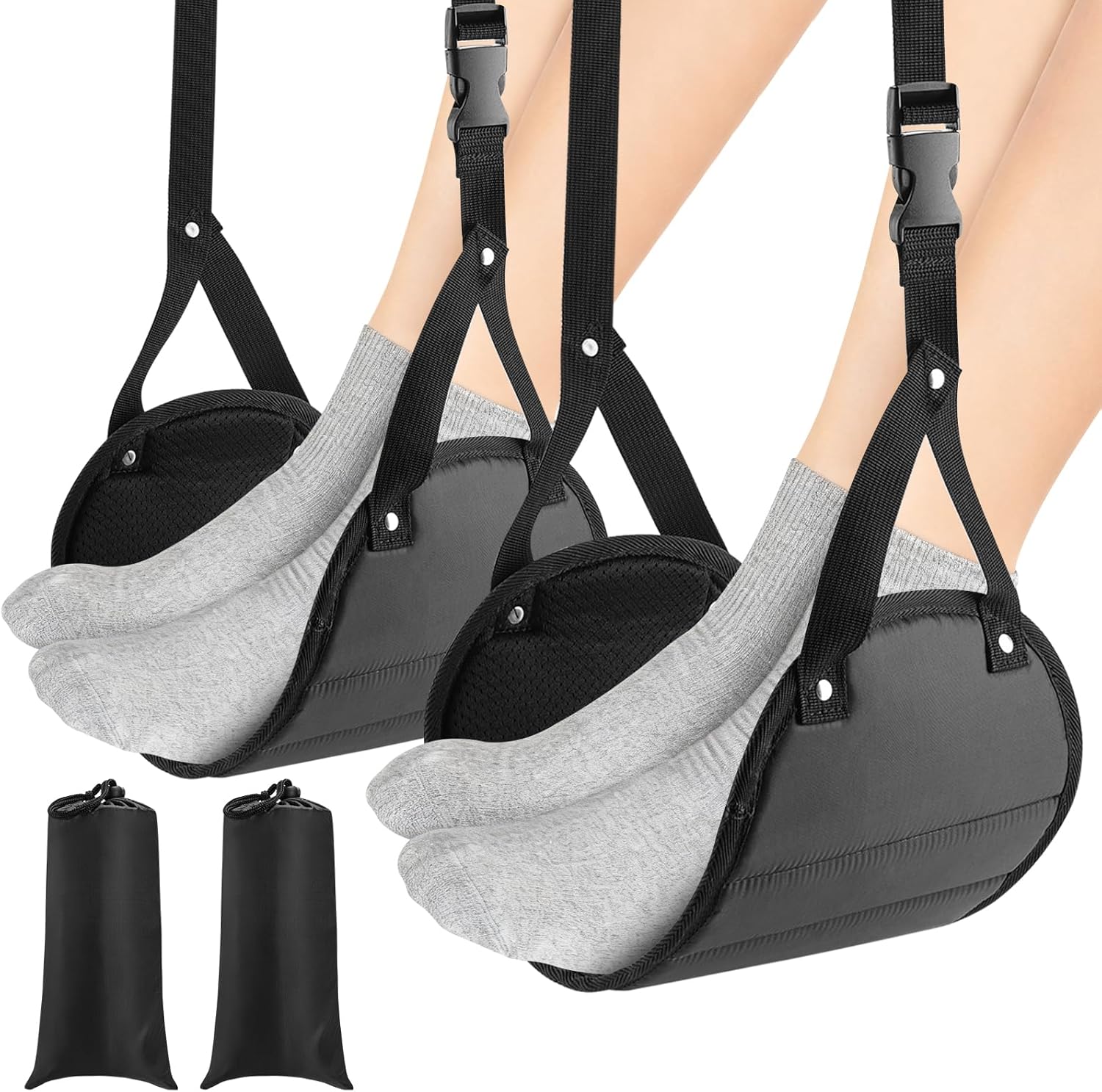
Long flights present a common challenge: limited legroom and few options for changing position. While airlines continue to squeeze more seats into cabins, travelers have increasingly turned to portable accessories that can make economy class more tolerable. An airplane foot hammock represents one of the simpler solutions available—one that clips to your tray table and creates a suspended resting spot for your feet.
This guide focuses on helping you understand whether this type of product aligns with your travel habits. We will walk through how these devices work, who they benefit most, what features matter during actual use, and what practical factors deserve attention before purchasing. The goal is to equip you with enough context to make a confident decision rather than relying on marketing claims alone.
How an Airplane Foot Hammock Works
An airplane foot hammock typically consists of a fabric cradle suspended between two adjustable straps. You attach one strap to the tray table frame on your side and the other to the tray table frame on the adjacent seat's side—or in some configurations, both straps attach to your own tray table structure. Once secured, the fabric forms a pocket where you can rest your feet, elevating them slightly above the floor and removing pressure from your lower back and hips.
The setup process generally takes under a minute once you understand the mechanism. Most designs use buckle clips or hook attachments that accommodate different tray table shapes. The fabric itself ranges from lightweight nylon to more substantial polyester blends, with some featuring padding where your feet make contact.
Who an Airplane Foot Hammock Fits Best
This accessory makes the most sense for travelers who experience discomfort during long flights—particularly those who notice aching in their lower back, numbness in their feet, or restless leg sensations when stuck in a confined seat for hours. It also appeals to anyone who wants a way to shift their posture periodically without disturbing neighboring passengers.
That said, the fit depends heavily on your typical flight experience. Taller travelers often find the most benefit because standard legroom leaves their knees pressed uncomfortably against the seat ahead. However, even average-height passengers on transcontinental or international flights frequently report improved comfort when using a foot elevation solution.
Business travelers who spend significant time on planes and need to arrive with less fatigue may also appreciate the simplicity of a foot hammock. Unlike bulkier alternatives such as inflatable footrests or portable ottomans, a fabric hammock folds into a small pouch and weighs very little, making it easy to keep in a carry-on bag at all times.
One consideration worth noting: these products work best when the tray tables on your flight have compatible frame structures. Some aircraft, particularly older models or certain budget carriers, may have tray table designs that do not accommodate the attachment mechanism securely. We will address this in the practical considerations section below.
What to Look for When Evaluating Options
Several factors distinguish a well-designed airplane foot hammock from a less functional version. Understanding these details can help you evaluate whether a particular product meets your needs or whether another option might serve you better.
Attachment mechanism reliability: The clips or hooks that secure the hammock to the tray table represent the most critical component. Look for designs that feature adjustable length straps, sturdy buckles, and hooks wide enough to grip the tray table frame securely. A loose attachment not only reduces comfort but can become a distraction during your flight.
Fabric quality and breathability: Since your feet will rest in the hammock for extended periods, the material should allow some airflow to prevent overheating. Durable yet lightweight fabrics strike a good balance—strong enough to hold your weight comfortably without adding unnecessary bulk to your luggage.
Weight capacity and dimensions: Check the manufacturer's specifications regarding maximum weight capacity and the size of the footrest area. Some hammocks work well for smaller feet but feel cramped for larger shoe sizes. If you typically wear bulkier footwear such as boots or hiking shoes during travel, verify that the hammock accommodates your typical gear.
Packed size and portability: One of the main advantages of a foot hammock over alternatives is its portability. Examine the packed dimensions and weight. The best options collapse small enough to fit in a personal item bag or the side pocket of a backpack without consuming meaningful space.
Ease of setup and removal: You do not want to fumble with complicated buckles or struggle to detach the hammock when boarding and deplaning. Look for designs that offer intuitive, tool-free setup—preferably with visual instructions that make sense at a glance.
Practical Buying Considerations
Before adding an airplane foot hammock to your cart, consider the following points to ensure the product aligns with your actual travel patterns.
Aircraft compatibility: Not every tray table frame works with every hammock design. Some users report difficulties on aircraft with narrow tray table frames or non-standard attachment points. Reading recent customer reviews that mention specific airline experiences can give you a better sense of compatibility. Keep in mind that premium cabin seating sometimes features different tray table configurations, which may affect fit.
Seatmate considerations: Using a foot hammock requires enough space to position your feet comfortably without invading your neighbor's area. In very tight seating configurations, the hammock may angle your legs in a way that affects the person beside you. Assess your typical seating arrangements—if you frequently sit in middle seats or narrow configurations, the hammock might require more adjustment than you prefer.
Flight duration matters: For shorter flights under three hours, the benefit of a foot hammock may not justify the setup effort. These accessories tend to shine during longer journeys where extended periods of sitting become uncomfortable. If your typical flights exceed four hours, you are more likely to appreciate the investment.
Alternative solutions: Foot hammocks compete with several other products designed for in-flight comfort. Inflatable footrests, compression socks, portable foot massagers, and simple carry-on pillows all address different aspects of travel fatigue. A foot hammock specifically targets lower body positioning, which works well as part of a broader comfort strategy but may not address other issues like neck support or circulation concerns.
Price and value: Most airplane foot hammocks fall in a modest price range, making them accessible to most travelers. However, the cheapest options sometimes sacrifice durability or reliable attachments. A mid-range product with solid reviews often provides better long-term value than purchasing multiple replacements of a lower-quality version.
Using the Product Effectively
If you decide to try a foot hammock, a few practical tips can improve your experience. First, practice setting it up at home before your trip. Understanding the mechanism in a relaxed environment means you will feel confident during the potentially cramped boarding process.
Second, consider timing. Some travelers prefer to set up the hammock after takeoff once the cabin crew finishes initial service, while others find it helpful to have it ready before the plane reaches cruising altitude. Find the rhythm that works for your typical flight routine.
Third, pay attention to your posture. A foot hammock should complement good seating habits rather than replace them. Combining elevation with periodic ankle rotations and posture adjustments helps maintain circulation during extended flights.
Final Thoughts
An airplane foot hammock represents a straightforward, portable solution for travelers who struggle with the physical demands of long flights. It addresses a specific discomfort—lower body fatigue from prolonged sitting—without requiring significant investment or complicated equipment.
The product works best for travelers who fly regularly on routes exceeding four hours, prefer lightweight accessories that pack easily, and sit in configurations where tray table frames accommodate the attachment mechanism. If that description matches your travel patterns, a foot hammock may meaningfully improve your in-flight experience.
As with any travel accessory purchase, we recommend verifying current pricing, shipping options, and final product details directly on Amazon before completing your order. Availability and specifications can change, and checking the retailer's listing ensures you have the most accurate information for your decision.
Featured product
Airplane Foot Hammock for Travel, Adjustable Leg Rest Foot Support for Flights and Long Trips
This article was generated around our US catalog entry for this product, so you can compare the buying angle with the actual listing before deciding.
Browse more smart picks
Continue exploring our curated deal pages and product breakdowns for more practical buying guidance.
More US buying guides
These articles are prioritized for shoppers browsing from the same marketplace region.